
A van gives a digital nomad one thing a rented flat can't: your desk, bed, kitchen and bathroom all travel with you. If a client call moves or the weather turns, you drive somewhere else and keep working. That is the core of digital nomad van life 2027, and it only works if you plan the van around your work first and the scenery second.
Start with a quick audit of what your workday needs. Write down how many hours you sit at a desk, whether you take video calls, and how many screens you use. Then give that setup a permanent spot. A fixed desk or a fold-down table that stays rigged beats a laptop balanced on your knees. If space is tight, a small van can still work. The Camporan Lightweight Camper Van Bed for Small Vans, for example, is a marine plywood bed frame that fits small vans like the Citroen Berlingo, Ford Courier and Renault Kangoo. It folds down into a sleeping platform, so the rest of the trunk stays free for gear.
Daily comforts matter more when you work from the van, because you can't pop out to an office kitchen or toilet. A 12V fridge freezer, like the ICECO VL90ProD Dual Zone, keeps food on board so you don't lose half a day shopping. A waterless or composting toilet, such as the Laveo Dry Flush or the Compo Closet Cuddy, means you aren't hunting for a bathroom between meetings. Check each toilet's emptying and disposal rules for the places you plan to stay, because they vary by region and campsite.

ICECO VL90ProD 95QT Dual Zone 12V Fridge Freezer
A metal-built dual zone fridge freezer that runs on 12V, 24V or household power for road trips and campsites.
Product information
Product Review Score
4.35 out of 5 stars
(210)Product links
Know the legal side before you commit. Non-EU visitors can generally stay 90 days in any rolling 180 days across the whole Schengen area, and those days count across all member countries together, not per country. Several countries, including Spain, Portugal, Greece and Croatia, run digital nomad visas, but income thresholds, validity and tax rules differ and change often. Read the official government immigration page for each one. Also check your van's maximum permissible mass on its plate, since a conversion with water, batteries and a fridge can push it over its payload. Weigh it fully loaded.
Last, plan the build on paper. A workbook like the Van Build Project Planner helps you list layout ideas and priorities before you cut or buy anything, and a travel journal such as Let the Adventures Begin gives you one place to log routes and campsites. Fit a carbon monoxide alarm that meets EN 50291, and never use a gas heater or cooker for sleeping heat without ventilation. Carbon monoxide is a real hazard in a small, closed space.
Staying Connected on the Road
A satellite dish and a mobile SIM do different jobs, and most remote workers end up wanting both. Start by listing what your work needs: video calls, large file uploads, or just email and chat. Calls and uploads need a steady connection. Email and chat can get by on a weak one.
Your phone is the first layer. Before you rely on a SIM abroad, check your carrier's fair-use limit for EU roaming, because the rules differ by carrier. Some cap how much data you can use outside your home country. Look at the cap, then work out whether your month of calls and uploads fits under it. A second SIM from a different network gives you a backup when one carrier has no signal in a valley or on a coast.
Satellite is the second layer for places with no mobile coverage. The Region-Free Made for SpaceX STARLINK Mini Satellite Dish Service, a 4th Gen portable antenna, is the one on our list. Plans, roaming terms, in-motion use and country coverage change often, so read the live terms on Starlink's own site before you buy. Also check that the plan you pick covers the countries on your route.

Starlink Mini Satellite Dish Kit for RV and Travel
A portable satellite dish with a built-in Wi-Fi router, built to get you online from remote spots.
Product information
Product Review Score
4.46 out of 5 stars
(185)Product links
A few habits save you on workdays:
- Test your connection the evening before an important call, not ten minutes before it starts.
- Park with a clear view of the sky if you use a dish. Trees and tall buildings block the signal.
- Download big files and updates when you have strong signal, such as at a café or library.
- Write down signal notes for each stop so you can pick good spots next time.
Never mount or set up a dish on a roof in wind, and never lean a ladder against the van on soft or uneven ground. Falls from height are a real risk, so set the dish on the ground or a stable surface when you can.
Powering Your Laptop Off Grid
A laptop pulls power from your van's battery system, so the first job is working out how much it uses. Look at the charger label for its watt rating, then note how many hours a day the laptop runs. Add anything else on your desk, like a monitor, phone charger or hotspot. That total tells you how much battery you need. Keep in mind that a 12V fridge, lights and a fan draw from the same battery, so count them too.
Most nomads end up with a battery, a way to charge it, and a way to turn that power into what the laptop wants. For the last part you have two choices. A 12V to USB-C power delivery socket feeds many laptops directly and wastes less energy. An inverter turns 12V into mains power, so your normal laptop charger plugs in, but the inverter uses some power just by being switched on. Pick a socket or inverter that clearly covers your charger's watt rating.
Charging comes from three places, and a mix works best:
- Solar panels on the roof, which help most on long, bright days and do far less in winter or under trees.
- A DC to DC charger, which tops up the leisure battery while you drive. It is handy on days when you move between stops.
- Mains hookup at a campsite, for days when the sun lets you down.
Plan for a bad week, not a good one. If you do client work on fixed days, make sure the battery can cover those days with no sun and no driving. Many nomads keep a small power bank as a backup for a laptop, and it is worth charging before every call day.
Electricity in a van carries real risk, including fire and burns. Fit a fuse close to the positive terminal of each battery, and size the cable for the current it will carry. Follow the battery maker's charging limits. Many lithium iron phosphate batteries should not charge in freezing temperatures, so read the manual for your model. If you are unsure about wiring, pay a qualified installer, because a bad connection can overheat.
Planning Your First Year on the Road
A first year goes better when you plan it in chunks instead of one big loop. Pick a home base for each season, then fill in the stops between them. Cold months are rough for solar, water tanks and battery charging, so many people spend winter somewhere milder and move north when days get longer. Leave gaps in the calendar. A week with no booking and no deadline gives you room to fix a flat tyre, wait out bad weather, or just stay put somewhere you like.
Build your route around your work calendar. Mark every client call, deadline and travel day, then put your longest stays on the busiest weeks. Moving a van takes a surprising amount of time, so avoid driving on a day with a big meeting. Before you book any long stay, write down three things for each stop: where you will park legally, where you will fill and empty water and waste, and where you can do laundry and a big shop. Wild camping rules differ by country, region and even by local council, so check the local rules for each place instead of assuming.
Water is the part people forget. A fixed fresh water tank, such as the Ameri-Kart 26 Gallon RV Fresh Water Tank WT-1496, gives you a larger supply between fill-ups, but it also adds weight and needs a spot to sit. Think about how many days you want between stops, and remember that a full tank counts toward the payload we talked about earlier. Ask yourself how you will fill it, too. Check that your hose and fittings suit the taps where you plan to stay.
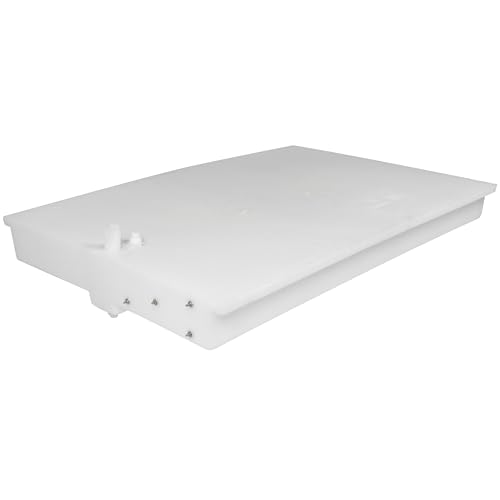
Ameri-Kart 26 Gallon RV Fresh Water Tank WT-1496
A low-profile fresh water tank made in the USA that fits under your floor without eating up your storage space.
Product information
Product Review Score
4.33 out of 5 stars
(206)Product links
If your route includes campsites with outdoor space, extra living room helps on longer stays. The Vango Cove III Air Drive Away Campervan Awning with Front Canopy is a drive away awning, which means you can leave it up and still take the van out for the day. Check that your van type and height match the awning before you buy, and read the maker's pitching guide. Never pitch or take down an awning in strong wind, since a big fabric panel can act like a sail.
Set a few checkpoints so the year does not drift. After month one, review what you actually use and what sits unused in the lockers. After month three, look at your spending against your income and adjust. Keep digital and paper copies of your van documents, insurance, and ID in separate places.